The Blood of Dawnwalker Vale Sangora Map
A dense 1347 Carpathian pocket: silver capital, farm village, monastery, and a castle that owns the skyline.
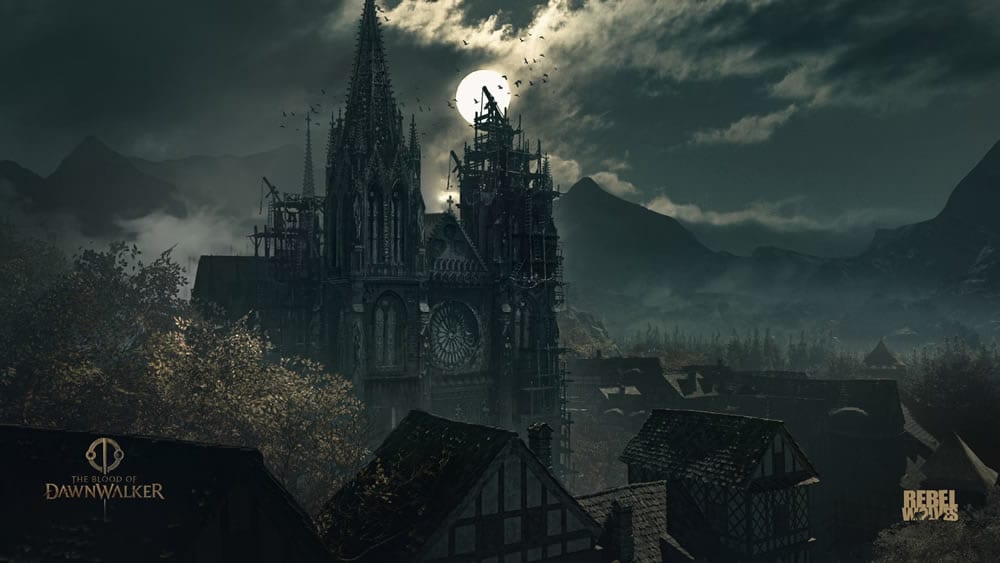
Vale Sangora is a fictional Carpathian valley in 1347, inspired by Hungary, Romania, and mountain folklore rather than a 1:1 historical county. Rebel Wolves built it small and dense on purpose. There are no horses. Fast travel is wayside shrines. Scout towers exist so you can mark a bowl of the map without walking every goat path. This page is geography and politics. Pair it with Getting Started for the Laslea prologue and How to Play for the sandbox rules that decide which region you visit this week.
The capital is Svartrau. The farm village is Laslea. Greifberg Castle sits on the crags above the city and holds Coen’s family. Maragir monastery is the other named landmark players keep searching. Between them: silver workings, haunted sites, Blood Guard posts, and the three officer territories Brencis carved for Ambrus, Bakir, and Xanthe.
How to read the map
Open the map from the pause menu or the typical third-person bind (confirm in Settings — see controls). Place a custom marker before you walk. Time does not tick while you stare at parchment, climb a tower, or cross a ridge. The time system only charges you when an hourglass quest, a story beat, or a shrine level-up completes. That is why the valley can be small in kilometers and still feel large: you are allowed to look.
Towers are the Ubisoft-style reveal. Climb one when you enter a new bowl. Mark shrines first, then the story location you actually intend to spend a segment on. Do not ping six optional ruins and then wonder why the week vanished — the ruins did not tick the clock, the quests you accepted inside them did.
Wayside shrines are the fast-travel network, the stash, and the skill bench. Unlock the shrine before you commit to a downtown fight in Svartrau so a death is a walk from a bench, not a hike from Laslea. Leveling at a shrine still costs a time segment; unlocking the travel point itself is the kind of exploration the clock ignores.
Laslea — farm village and prologue
Laslea is home. Silver-country dirt, a church that hosts the Blood Mass, and the people Coen still has to look in the eye after he grows claws. The first day of the campaign is a miniature 30-day test set entirely here: herbs for a sick mother, village errands, and sundown. Deep Down, the ruin under the hills, is a Laslea-area dungeon you can finish while still human.
Come back to Laslea in week two with night traversal. Rooftops and creek beds that were blocked at noon become Shadowstep routes. Anca stays relevant as the healer who carved hex runes into Coen’s arm; she is not just a prologue NPC. If you plan to keep her quest line alive, do not starve Coen inside her house — feeding can delete a giver you still need.
Svartrau — silver capital
Svartrau got rich on silver and then got occupied. By day it is merchants, guards, and conversation. By night it is vertical: galleries, cathedral roofs, and wall-walking that day and night exists to teach. Silberkreis is the wealthy district closest to the castle in preview material; treat the cathedral and the streets below Greifberg as a different game after curfew.
Infamy is a map modifier. Public feeding, street executions, and antagonizing the vrakhiri court produce edicts and curfews: more patrols, tighter gates, worse rooftop routes. If you need a human conversation in the market tomorrow, do not empty a Blood Guard squad in the square tonight. Stealth is not optional flavor in the capital; it is how you keep the daytime kit usable.
Svartrau is also where many manuals, vendors, and side stories cluster. Buy the book, walk to a shrine outside the walls, and spend the segment there. Do not level in the middle of a riot because the shrine icon was convenient.
Greifberg Castle — the skyline objective
Greifberg is the seat of Brencis, an ancient Roman senator who now styles himself Knyaz. Before the vrakhiri, the castle belonged to a human lord, Skender Dragosti, who spent silver-mine money on dungeons rather than churches. Coen’s family is inside. You can walk to the gate after the prologue. You should not.
Treat Greifberg as a raid you schedule, not a waypoint you follow. Spend nights learning Shadowstep and Planeshift on Svartrau rooftops first. Spend days on Witchcraft and Swordmastery so the courtyard is not your first directional exam. Bring allies if their threads are still alive: Lacra for a warrior at your shoulder, Marat if the human rebellion is the door you want, Anca if hexes are the plan. Romance that spent time on the way here is either a buff to that assault or a hole in the calendar. Check the time planner before you climb the crag.
Maragir and the officer territories
Maragir monastery is the fourth named pin. Monasteries in this valley are not automatically safe. Expect relics, hex manuals, and at least one story that wants a daytime conversation you cannot have after dusk. Clear a shrine on the road before you enter so you can leave without hiking the whole ridge.
Brencis split the rest of the valley among three officers:
| Officer | Role | What that means on the map |
|---|---|---|
| Ambrus | Young officer, blood-tax warehouses | Storage, ledgers, human traffic. Day talk and night theft both work. |
| Bakir | Warmonger (mocap by Jan Błachowicz) | Camps, patrols, open fights. Bring sword and stamina. |
| Xanthe | Ancient Greek priestess, blood magic | Hex-adjacent sites, rituals, worse surprises after dark. |
You do not have to “clear” an officer’s territory like a district checklist. You have to decide whether that officer is a door into Greifberg, a source of infamy, or a week you cannot afford. Their pages live under the vampire court roster.
Movement rules that change the drawing
No horses. Mercurial Fervour is the daytime answer to distance. The wolf perk is the night answer. Shadowstep is short teleportation with a landing marker; Planeshift is walls and ceilings. Death from Above is the drop from a gallery onto a skull. If a route looks impossible at noon, wait for dusk instead of burning a segment on a detour quest.
The combat guide matters on the map because alleys in Svartrau throw multiple attackers at you. The ability tier list and Vampirism tree decide whether you cross a wall or fight the gate. The build planner is how you stop buying a city-traversal node after you already left the city.
Playtime is 50–70 hours. You will not stamp every icon in 30 days. Use this map to pick a job, not to complete a museum. When you are ready to install, confirm system requirements and the release schedule. When you are ready to walk, start in Laslea and let Svartrau wait until Shadowstep exists.
Frequently Asked Questions
Quick answers to the most common questions.
How big is Vale Sangora?
Small and dense on purpose. Rebel Wolves built a pocket kingdom, not a continent. Shrines and towers replace horses. See How to Play for movement rules.
Is there fast travel? Are there horses?
Wayside shrines are fast travel, stash, and skill unlocks. There are no horses. Daytime speed is Mercurial Fervour; night speed is the wolf perk plus Shadowstep.
Where is Coen's family held?
Greifberg Castle above Svartrau, seat of Brencis. You can walk there after the prologue; you should prepare first. Getting Started covers why the first night is for shrines, not the gate.
Do Ambrus, Bakir, and Xanthe own whole regions?
Brencis carved the valley into three officer dominions: warehouses for Ambrus, war camps for Bakir, blood magic for Xanthe. You do not have to 100 percent a dominion. Details sit with the vampire court.
Does infamy change the map?
Yes. Edicts and curfews add patrols and close routes, especially in Svartrau at night. Feed quietly — feeding and day and night explain the cost.
Can I finish every location in 30 days?
No. The calendar will not fund a completionist tour. Mark the coronation in the time planner and visit the rest on a later story thread or a second calendar.