The Blood of Dawnwalker What critics wrote before unlock
Embargo 31 August 2026. Players still wait on 3 September. Scores are not a substitute for your thirty days.
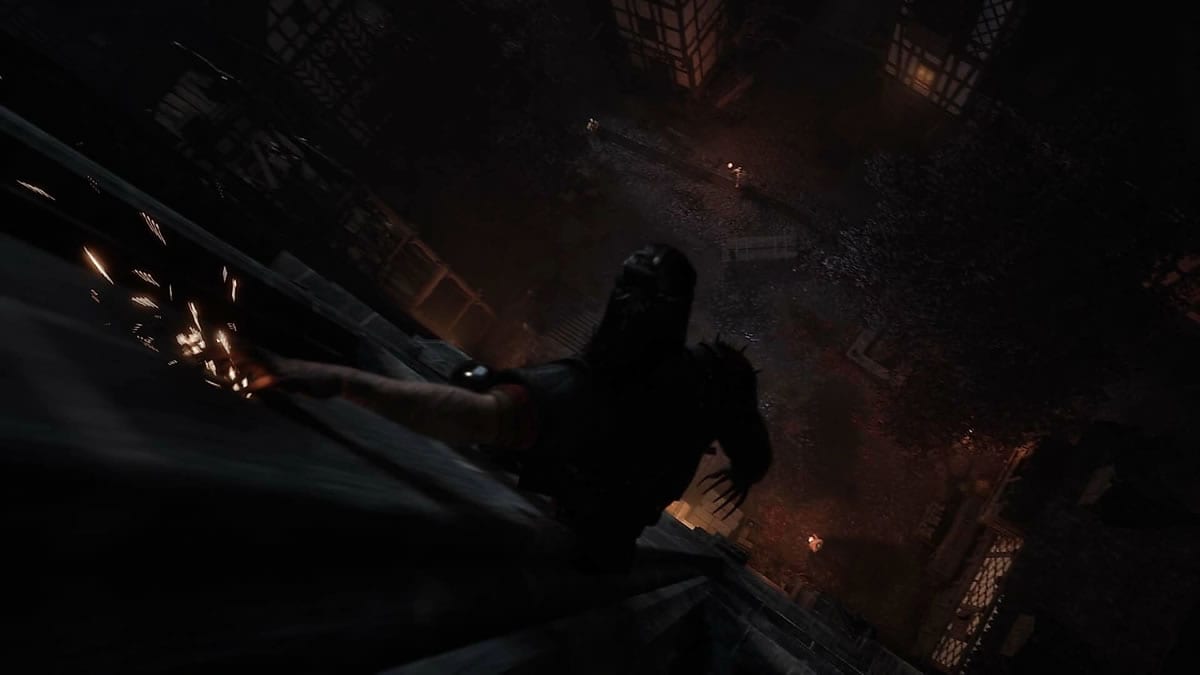
Critic reviews for The Blood of Dawnwalker went live on 31 August 2026, three days before the 3 September player unlock. That embargo wave is the only scored consensus this page can honestly report. It is not a player-review average, not a Steam chart, and not a claim that the valley is already in the wild. Reviewers played finished (or near-finished) builds. You still wait on the clocks in the release table. Read this as a briefing: what the first wave praised, what it dinged, and which wiki pages those notes actually point at.
The release hub collects timing and boxes. This page is the scoreboard from people who were allowed to talk early.
Snapshot from the embargo
First-wave Metacritic sat at 83 on PlayStation 5, 84 on PC, and 86 on Xbox Series X/S. OpenCritic’s recommend rate in that window was 91%. Those numbers will move as stragglers file; they are the picture the internet had when the embargo lifted, not a promise they stay there through week one.
Named outlets in that wave:
- RPG Site — very positive, and the reviewer’s favorite RPG of 2026 at time of writing. The write-up leans on character work, the family you barely see, and the way the hourglass forces a personal campaign instead of a completionist tour.
- CGMagazine — 9.5, with ‘instant classic’ language. Ambition stated in the prologue and then paid off, hour after hour.
- Metro — 8/10. Solid, not worshipful.
- GameSpot — Great. The house label, not a 10. Consequence and hunger get the attention.
- PC Gamer — mixed-positive. The review calls the game bleak and argues some ideas are not followed through. That is the useful dissenting voice in a generally warm wave.
Other outlets in the same embargo (IGN 9/10, Eurogamer four stars, VGC 8/10) cluster around the same themes. The split is not ‘good game / bad game’. It is ‘does the thirty-day bind still feel brilliant at hour fifty?‘
What the first wave praised
Writing. Rebel Wolves’ script — Jakub Szamałek and Ariana Siarkiewicz — is the note almost every rave leads with. Brencis as honorific tyrant, Marat’s doubt, Anca’s patience, Coen’s grey skin and greyer choices. Critics who came in expecting a Witcher clone spent ink on how the valley is smaller and the morality muddier.
Time as a resource. The hourglass is the design people could not stop describing. Walking is free. Quests, shrine levels, and story beats spend segments. Reviewers who let side jobs eat the coronation wrote about regret; reviewers who treated the calendar as a budget wrote about tension. That is the time system in practice, not a menu curiosity.
Dual kits. Human day, vampire night, sword always. Critics liked that hexes and conversation occupy the sun hours while claws and Shadowstep occupy the dark, and that a quest can be a talk or a raid depending on when you knock. Pair that praise with the combat guide when you actually have the pad in hand.
Directional combat. Four-way swings, parries, a blade that never leaves Coen’s hand. Early text treats the sword as the spine and the vampire kit as the spice. Fatigue shows up later in the same reviews (see below), but the opening twenty hours of steel are a common high.
What the first wave criticised
Open-world repetition. Vale Sangora is a pocket kingdom on purpose. Some critics still felt the forests, Uriash camps, and shrine loops start to rhyme after the novelty of the clock wears off. The map is small; the activities are not infinitely various.
Combat fatigue over a 50–70 hour run. The same directional system that wins the first night can grind if you take every fight. Four difficulties exist; they do not invent a second combat game. If you are the player who clears every icon, budget rest or a lower difficulty before you blame the sword.
Technical stretch. Unreal Engine 5 at this scale still shows seams in a few PC and console notes: hitching, occasional animation fight, a day-one patch that reviewers were already assuming. Check system requirements if those notes worry you more than the script excites you.
No DualSense haptics or adaptive triggers. Several PlayStation reviews flagged the missing pad features. It is a PS5 game that does not use the interesting bits of the PS5 pad. That will matter more to some buyers than the Metacritic integer.
PC Gamer’s mixed-positive write-up is the cleanest summary of the skeptical case: a resolutely miserable horror RPG with great ideas that do not always get the follow-through they deserve. If that sentence sounds like a reason to wait for player footage after 3 September, wait. If it sounds like the kind of RPG you already wanted, the rest of the wave is on your side.
How to use scores without confusing them for a launch
These numbers exist because publishers still send review codes before the storefront unlocks. They do not mean you can play tonight unless you are a critic. Player unlock remains 3 September 2026. Editions do not include a reviewer’s copy. Do not read an 86 on Xbox Series as a reason to skip the release preload; read it as a reason the campaign is likely worth the SSD space.
If the praise for writing and the hourglass is what sold you, start with getting started and the time system once your copy unlocks. If the combat notes are what sold you, keep combat open. If the technical caveats are what scared you, stay on system requirements until your GPU is honest. Then ignore the integers and spend the thirty days.
Frequently Asked Questions
Quick answers to the most common questions.
When did critic reviews go live?
The embargo lifted on 31 August 2026, ahead of the 3 September player unlock. This page summarises that first wave, not player Steam scores.
What are the Metacritic numbers from that wave?
83 on PlayStation 5, 84 on PC, and 86 on Xbox Series X/S. OpenCritic showed a 91% recommend rate in the same window. Aggregates can still move.
What did critics like?
Writing, the hourglass as a real resource, the day-night dual kits, and directional sword combat. RPG Site called it a favorite RPG of 2026. CGMagazine scored 9.5.
What did critics dislike?
Open-world repetition, combat fatigue across a 50–70 hour run, some technical stretch, and the lack of DualSense haptics and adaptive triggers. PC Gamer was mixed-positive: bleak, with ideas not always followed through.
Do these scores mean the game is in players' hands?
No. Critics filed on 31 August. Player copies still unlock on 3 September 2026. Treat this page as pre-launch consensus, not a 'week-one' report.
Should I change edition because of reviews?
No. Every edition is the same campaign. Scores do not unlock extra quests. See the editions page for what $70, $80, and $200 actually buy.