The Blood of Dawnwalker Witchcraft skill tree
Thirty-one daytime nodes Anca taught Coen — hexes that die when the scars heal.
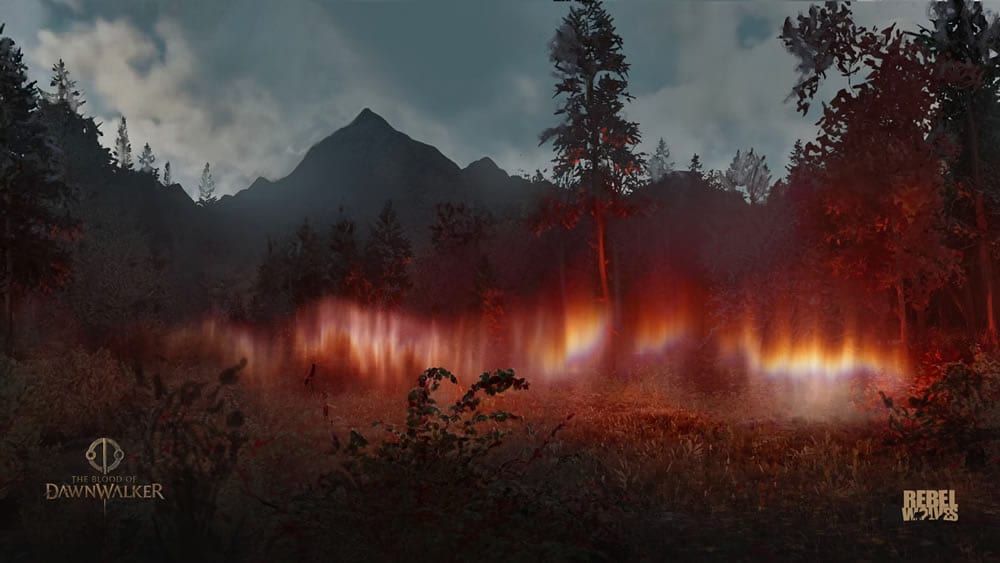
Witchcraft is Coen’s daylight kit. Anca taught him to cut rune scars and push hexes through them. At night those scars heal, which is why the same man who can boil blood at noon cannot hex a guard after dusk. This is not a flavour note. It is the reason you never spend a morning shrine on a claw node you wanted for tonight, and the reason this tree sits next to Swordmastery instead of replacing it.
The tree holds about 31 nodes: 21 passives and 10 actives, most of them with extra ranks. You will not buy them all. A node wants a manual (ruins, haunted ground, or a practitioner’s stall), then XP and a time segment at a wayside shrine. The Builds Hub ranks what is worth that segment. The build planner is the bar you fill before you confirm.
Hexes spend health or red charges, not mana. Charges come from fighting well — directional hits, parries, pressure — which is why a witch who refuses the sword is a witch who never casts. Read combat for the loop; this page is the shopping list for the day half of the day and night split.
Daylight rules and rune scars
Coen is human under the sun. Conversation, shops, and most of Vale Sangora’s social options are open. So is witchcraft. The scars are the pipe. Night is the plumber: vampiric regeneration seals the cuts, Vampirism wakes up, and every hex on your bar greys out.
That swap is why Mercurial Fervour (day speed) is a B-tier combat buy and still a reasonable errand buy if you have already secured Flock and Blood. Exploration itself is free on the time system. The hourglass only moves when you commit to a quest, a shrine rank, or another marked action. A speed hex does not save segments. It saves walking, which is already cheap.
Start with three ability slots. A typical daylight bar is one crowd hex, one personal hex, and one sword dump. You can grow toward four day slots later; do not grow by stuffing night-only powers into a morning you still need to hex.
Pearly and Precious, the IGN First daytime quest, is a useful picture of the kit in a short errand: sword duels, a speed hex, Ravenous Flock, and corpse work. It is not a full tree tour. Treat the footage as proof that hexes want a melee partner, not as a promise that one quest unlocks ten actives.
Active hexes worth a shrine
| Hex | Role | Cost | When to buy | Rank (this hub) |
|---|---|---|---|---|
| Ravenous Flock | AOE birds, stun, retrigger on damage | Red charge or health | First combat hex if you fight groups | S |
| Burning Blood | Damage over time | Red charge or health | First or second — it feeds Flock | A |
| Life Lock | Block one hit, reflect it | Charge | After you can time a parry | A |
| Soul Reaping | Leech and knockback | Charge / health | If you lack sustain and skip bite (bite is night) | B |
| Compel Soul | Speak with the dead | Usually cheap, not a duel spend | When a corpse actually knows something | B (quest) |
| Astral Communion | Pull spirits at haunted sites | Segment plus the fight | At those sites, not in Svartrau streets | B (site) |
| Mercurial Fervour | Day movement speed | Passive-leaning active | After the kill hexes | B |
Ravenous Flock is the tree’s identity. Creative-director notes from IGN First are blunt: you mark a target, birds orbit, and every time that target takes damage the flock deals AOE to neighbors. Standing still after the cast is the wrong picture. Pair it with Burning Blood, a busy short sword, or both. In a clean 1v1 with no follow-up, Flock is an expensive pigeon.
Burning Blood is the DoT that makes Flock honest. It is also fine on its own against a tough single. It costs health or a red charge, so a witch who dumps it from half a bar in a street fight is gambling the same resource feeding would have to repair tonight.
Life Lock is the anti-greed button: one blocked instance, bounced. It is not a bubble. Press it late and you eat the hit anyway. Press it early and you waste the charge. Players who already like directional defense in the controls scheme get more out of it than players who mash.
Compel Soul and Astral Communion are why the tree is not only a damage sheet. Compel Soul talks to restless dead. Astral Communion yanks spirits at haunted locations into the material world and can swing a damage buff while you clear the site. Both are daylight tools. Neither belongs on a first shrine if Coen still dies to two bandits.
Passives, charges, and the witch-duelist bar
The 21 passives are easy to over-buy because they look cheap. They are not cheap. Each one can still eat a segment. Prioritise ranks that make charges arrive faster, keep Coen standing after a health-tax hex, or stretch stamina so the sword half of the bar can feed the hex half. Skip generic carry-weight and sightseeing nodes until the family clock is no longer the loudest object in the HUD.
Red charges are the witchcraft colour. Fight well, fill pips, dump a hex. You cannot treat the tree like a mage who stands at range and regenerates a mana globe. If the combat page taught you anything, it is that a good parry is also a spell resource.
A witch-duelist first week, written as a bar rather than a wish:
- Day slot 1: Burning Blood
- Day slot 2: Ravenous Flock
- Day slot 3: Acrid Dust (this is a Swordmastery active — steal it, do not wait)
- Night: you will not have these hexes. Put Voracious Bite and Shadowstep on the night bar instead, or accept that dusk is a sword-only shift until you fund vampirism.
Do not buy a night-only node during a day you still need hexes. The shrine does not care that you “felt like claws.” The build planner exists to stop that click.
Manuals for this tree live in ancient ruins, haunted places, and the wares of other practitioners. Anca opened the door; she does not mail you every rank. If a node is grey, you are missing a book, XP, a segment, or the daylight hours to use it.
What to skip on day two
Skip Mercurial Fervour until Flock and Blood are online. Skip Astral Communion until you are standing on haunted ground with a reason to be there. Skip a second crowd-control hex if Acrid Dust already covers blinds. Skip any capstone that preview notes describe as a unique ultimate — you can keep one, and the coronation does not refund the segment.
For a first-week time budget, cap shrine leveling at one segment per day until day 10, and do not spend more than two segments on errands before that mark. The time planner has the columns. Witchcraft is hungry enough without turning Laslea chores into a second tree.
If you want the human picture of Coen before the scars, read his character page. If you want the valley those hexes are pointed at, read the map. If you want the honest rank of Flock against Blood Surge, go back to the Builds Hub and remember the caveat: this is launch-week reading, not a 500-hour gospel.
Frequently Asked Questions
Quick answers to the most common questions.
Can Coen cast hexes at night?
No. Witchcraft is day only. At night the rune scars heal, vampirism wakes, and every hex on the bar shuts off. Keep a sword node for the hours you cannot hex.
How do I unlock a witchcraft node?
Find or buy a magic manual, then spend XP and a time segment at a wayside shrine. Manuals turn up in ruins, haunted sites, and practitioner stalls. You cannot complete the tree in 30 days.
Do hexes cost mana?
There is no mana bar. Hexes cost health or red charges you earn by fighting well. Dumping Flock without a parry or a DoT is how you go empty in a street fight.
What should a witch-duelist put on the day bar?
Burning Blood, Ravenous Flock, and a stolen sword tool such as Acrid Dust. You start with three slots. Leave night-only powers off this bar.
Is Compel Soul worth an early shrine?
Only if a corpse is the actual quest gate. It is a speak-with-dead tool, not a damage hex. Buy Flock or Blood first if Coen is still losing daylight fights.
Who taught Coen witchcraft?
Anca. She is the ally who opens the hex path; she does not replace manuals, XP, or the shrine tax. See the allies page for her role in the valley.