The Blood of Dawnwalker Lore and Backstory
History, factions, legendary figures, and the mystery of Brencis — all in one place.
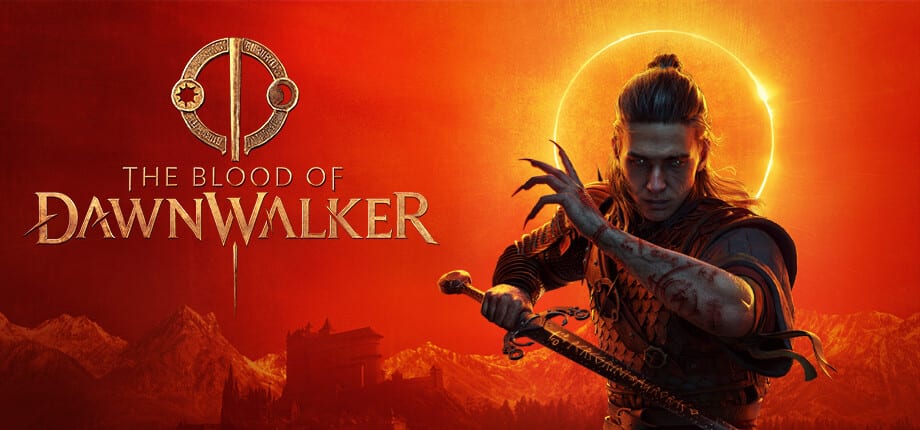
The Blood of Dawnwalker weaves together medieval folklore, occult ritual, and political betrayal across a land scarred by centuries of vampire wars. This page organizes the major lore threads so you can understand the world as you explore it.
The Dawnwalker Bloodline
The Dawnwalkers were a bloodline of vampire hunters established during the Second Covenant, roughly four centuries before the events of the game. They were not vampires themselves but carried a unique hemoglobic adaptation that allowed them to sense vampire presence and resist some of their abilities. This adaptation came at a cost: Dawnwalkers aged rapidly after their prime, and very few lived past forty.
The founder of the bloodline is known only as the First Dawnwalker. Historical records from the Svartrau cathedral archives suggest the First Dawnwalker was a woman — possibly a member of the noble family that once ruled Greifberg. The name has been scrubbed from most official documents, likely to protect her descendants from vampire retaliation.
The bloodline continued through an informal succession: each Dawnwalker would identify and train their successor before entering the final stage of their life. Danig, the protagonist’s father, was the last recognized Dawnwalker before the story begins. His death — officially ruled a hunting accident — is one of the game’s central mysteries.
The Covenant System
The Covenant is the oldest surviving peace treaty between humans and non-human entities in the region. There have been three formal Convenants throughout recorded history:
First Covenant (est. ~600 years before game): Established after the first great vampire uprising. The terms are largely unknown because the original document was destroyed in the Svartrau fire of the third age. What remains suggests humans agreed to provide territory and tithe in exchange for non-aggression.
Second Covenant (est. ~400 years before game): The most documented. This is when the Dawnwalker bloodline was formally recognized as peacekeepers. Vampire factions were permitted to maintain three sovereign territories (Svartrau, the Tantari deepwoods, and the Eastern March). The Covenant also established the ritual of the yearly Tribute — a formal ceremony where each vampire faction would present a single human representative to the Covenant Council.
Third Covenant (current): The one active at the game’s start. Largely a continuation of the Second with amendments added after the Greifberg massacre. The most controversial amendment is the Right of Claim — allowing vampires to legally acquire human property through a documented blood debt.
Vampire Factions
Three major vampire factions operate within the game’s world:
The Svartrau Coven: The oldest and most politically established. Based in Svartrau itself, they maintain the cathedral and the official Covenant archives. The Coven prefers bureaucratic control over violence — they issue writs, hold hearings, and maintain the legal apparatus of vampire-human relations. Despite this, they are not benevolent. Their leadership, known as the Pale Circle, has survived for centuries by absorbing or eliminating competing bloodlines.
The Tantari Howl: A feral faction operating from the Howling Keep and deep Tantari woods. They reject Covenant law entirely and operate on a strict dominance hierarchy. The most dangerous members are the Unbound — vampires who have abandoned even the pretense of human restraint. The Lady in Black is rumored to have connections to the Howl but maintains deliberate distance from their chaotic structure.
The Eastern Reclamation: The newest faction, based in the occupied Eastern Road territories. They are the most ideologically motivated — their leader, whose name is never spoken in-game, believes vampires have a divine right to rule humanity openly rather than through puppet intermediaries. They are responsible for the checkpoint blockades that make travel between regions dangerous.
Brencis — The Usurper King
Brencis appears to be a human king who has ruled Greifberg for at least two decades. His coronation was legal under Covenant law, and his early reign was marked by genuine reforms: reduced taxes, expanded trade rights, and the establishment of the first human-run courts in the region.
The game’s lore gradually reveals that Brencis is not entirely human. Multiple sources — diary entries found in the castle, testimony from Marat, and the contents of the sealed manifest in the cathedral basement — all point to the same conclusion: Brencis entered into a blood pact with one of the Pale Circle’s oldest members sometime before his coronation. The pact extended his life and granted him unnatural influence over human emotions, but it also tied his fate to the Covenant’s survival.
This is why Brencis is obsessed with preventing the Covenant’s collapse. A human victory against the vampires would break the pact and kill him. A vampire victory that destroys the human population would also break the pact for a different reason — there would be no one left to rule.
His true goal is to maintain the stalemate indefinitely, becoming the eternal mediator between two populations that can neither fully coexist nor fully destroy each other.
Key Lore Figures
Danig (the protagonist’s father): The last recognized Dawnwalker. His death is ruled a hunting accident but the player finds evidence throughout the game that it was orchestrated by someone with knowledge of the Dawnwalker bloodline’s weaknesses. His last journal entry mentions a “debt unpaid” and a promise to “finish what the First started.”
Xanthe: A former member of the Pale Circle who defected approximately fifteen years before the game. She aided Danig before his death and continues to assist the protagonist. Her motivations are complex — she claims she left because she could no longer stomach the Covenant’s exploitation of humans, but her knowledge of Dawnwalker training methods suggests a deeper connection to the bloodline’s origins.
Marat: The resistance leader in Tantari Woods. He is one of the few humans who survived direct exposure to Unbound vampire blood and lived. This event gave him unusual resistance but also cost him his left hand and most of his memory from that period. He does not trust the Dawnwalker bloodline — a suspicion rooted in events he cannot fully recall.
The Lady in Black: A figure of uncertain origin who inhabits the Howling Keep. She has existed for at least three centuries based on period accounts. Unlike other vampires, she does not appear to feed on humans regularly. Her relationship to the Howl faction is ambiguous — she grants audience to those who solve her riddles but refuses to participate in their raids. The game implies she is the last survivor of a Dawnwalker bloodline sibling — one who chose vampirism over the hemoglobic adaptation.
The Witchcraft Connection
Witchcraft in this world is not magic in the traditional sense. It is a systematic exploitation of the same hemoglobic properties that define the Dawnwalker bloodline. The three sources of witchcraft power — moon seals, rune stones, and manifests — each draw from a different aspect of vampire biology:
Moon seals tap into the circadian disruption that vampirism causes. Rune stones are crystallized vampire blood that has been exposed to specific lunar conditions. Manifests are the intellectual property of whoever first mapped the Dawnwalker-vampire connection — they represent the theoretical framework that makes the other two usable.
This is why witchcraft abilities affect both vampires and humans differently. A vampire subjected to Pain Transfer experiences a feedback loop because their blood chemistry is already compromised by the same properties that make the ability work. A human subjected to the same ability experiences only the transferred pain because their baseline chemistry is not disrupted.
The witchcraft build guide covers ability mechanics. The time system explains how the hourglass and moon cycle work. The collectibles guide has full locations for every manifest, scroll, and rune stone.
Frequently Asked Questions
Quick answers to the most common questions.
What is the Dawnwalker bloodline?
The Dawnwalkers were a bloodline of vampire hunters established during the Second Covenant. They carried a hemoglobic adaptation that let them sense vampires and resist some of their abilities, but this came with the cost of rapid aging — most died before forty. The protagonist is Danig's child and the last recognized Dawnwalker.
How many Covenants have there been?
Three. The First Covenant (around 600 years before the game) established the original peace treaty after the first vampire uprising. The Second Covenant (around 400 years before) formalized the Dawnwalker role as peacekeepers and defined vampire territorial rights. The Third Covenant, active at the game's start, is largely the Second with amendments added after the Greifberg massacre.
What is Brencis's true goal?
Brencis entered a blood pact with an ancient vampire before his coronation. The pact extended his life but ties his fate to the Covenant's survival. His goal is to maintain the stalemate between humans and vampires forever — neither side can fully win without killing him. He is not trying to help either side; he is trying to preserve the deadlock.
Who is the Lady in Black?
A three-centuries-old vampire living in the Howling Keep who does not feed on humans regularly and maintains deliberate distance from the Howl faction. The game implies she may be the last survivor of a Dawnwalker bloodline sibling who chose vampirism over the hemoglobic adaptation. She grants access to those who solve her riddles.
What is witchcraft, really?
Witchcraft is a systematic exploitation of the same hemoglobic properties that define the Dawnwalker bloodline. Moon seals tap into circadian disruption from vampirism, rune stones are crystallized vampire blood under specific lunar conditions, and manifests are the theoretical framework that makes both usable. It affects vampires and humans differently due to differences in their blood chemistry.
What happened to Danig?
Danig, the protagonist's father and the last Dawnwalker, died before the game begins — officially ruled a hunting accident. Evidence found throughout the game suggests it was orchestrated by someone who knew the Dawnwalker bloodline's weaknesses. His last journal entry mentions a debt unpaid and a promise to finish what the First Dawnwalker started.