Corruption in The Blood of Dawnwalker
Blood is not the only cost. Corruption is the gate between Coen and the full Vampirism tree.
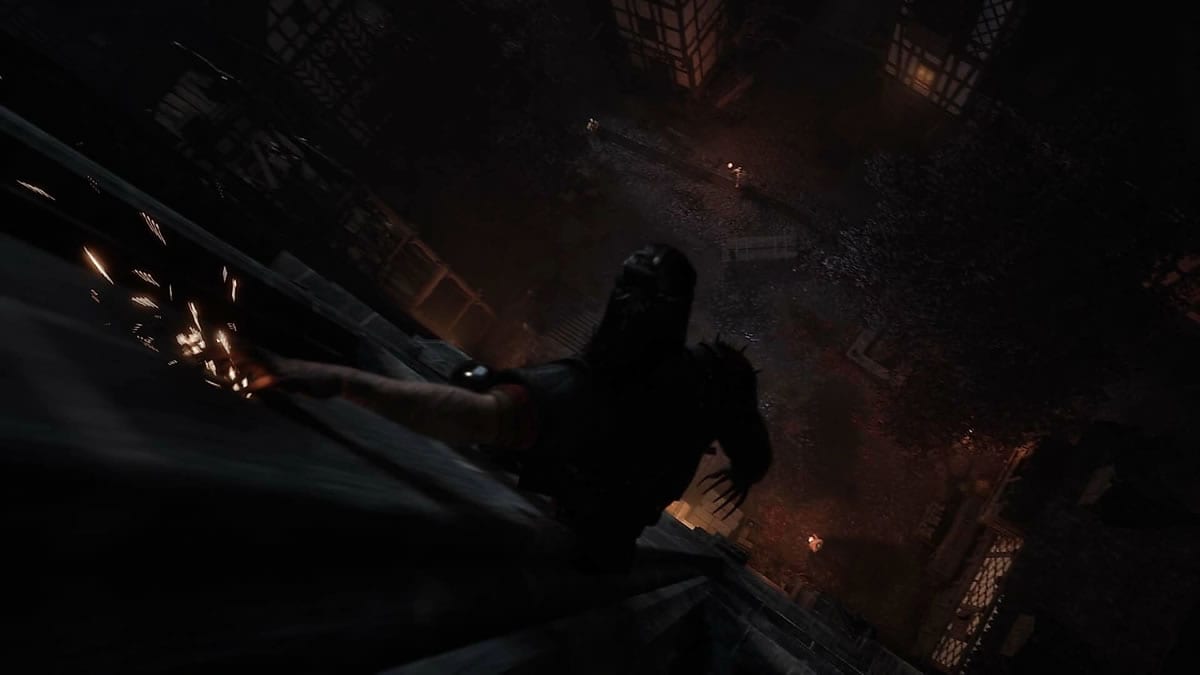
Corruption is the hidden tax on being a vampire. Every time Coen feeds, the Corruption bar rises. Unlike hunger, which affects immediate gameplay, Corruption is a long-term gate: it controls which Vampirism nodes are available and how the valley reads Coen as a creature rather than a man. This page is the mechanic. Feeding is the habit. Day and night is the kit switchover. Vampirism is where the tree lives.
Multiple guides and previews confirm the system: feeding raises Corruption, higher Corruption unlocks deeper Vampirism perks, and there is a balance between the human path (Witchcraft and Swordmastery) and the vampire path (Vampirism) that the calendar does not warn you about.
What Corruption actually is
Corruption is not a morality meter. It is not good or evil. It is a progression gate dressed in vampire fiction. When Coen drinks blood, two things happen simultaneously: hunger is satisfied and Corruption rises. The higher the Corruption, the more vampire abilities unlock in the Vampirism tree.
The practical reading from previews and guides: low Corruption keeps Coen closer to human. High Corruption opens the full night kit — stronger claws, faster traversal, more aggressive abilities. The choice is not moral; it is build-defining.
How feeding raises Corruption
Every blood source has a Corruption cost. AltChar’s guide explicitly states that human blood raises Corruption faster than animal blood. The practical implication: if you feed exclusively on guards and civilians, Corruption climbs quickly. If you rely on wildlife, it rises more slowly.
The feeding page has the full risk matrix. The summary:
- Animals: slow Corruption rise, low infamy risk
- Guards in combat: moderate Corruption, combat risk
- Civilians: fast Corruption, high infamy
- Named NPCs: fastest Corruption, potential quest deletion
What Corruption unlocks
The Vampirism tree has gated nodes. Early Vampirism perks are available at low Corruption. Deeper tree nodes — the ones that make claws genuinely powerful rather than merely functional — require higher Corruption to unlock.
The Vampirism page has the full ranked tree. The short version: if you want the full night kit, you need to feed. If you want to stay closer to the human kit, rely on animals and restraint.
Shared Skill Points and the calendar
Rebel Wolves confirmed that Witchcraft, Swordmastery, and Vampirism share a single pool of skill points. This means every point spent on Vampirism is a point not spent on Witchcraft or Swordmastery. The Corruption gate compounds this: the Vampirism nodes worth buying at high Corruption may not be worth the skill point if the Corruption path forecloses a daylight build.
The build planner exists to stop this trade-off from being a surprise in the middle of week two.
Corruption and the court’s perception
The vampire court notices Coen. At low Corruption, he may pass as a useful half-dead servant. At high Corruption, the Vrहींari read him as a rival. This is not a hard mechanical state — previews describe it as tonal — but it affects dialogue and how Brencis’s officers treat Coen in Svartrau.
The lore page covers what the court is and who Brencis is. The short version: they will eventually notice what Coen is becoming regardless of Corruption, but the path to that confrontation changes with the build.
How to think about Corruption
- Animal feeding keeps Corruption low and buys time for a Witchcraft-Swordmastery build.
- Human feeding accelerates Corruption and opens the deep Vampirism tree.
- High Corruption does not lock out the human kit — shared skill points are the real constraint.
- The Vampirism page ranks nodes by when to buy them.
- The time planner does not track Corruption; it tracks hourglasses.
Getting Started puts feeding on the night-one checklist. This page is why the checklist has a “how much” question attached.
Frequently Asked Questions
Quick answers to the most common questions.
What is Corruption in The Blood of Dawnwalker?
Corruption is a hidden progression gate tied to feeding. Every blood meal raises it. Higher Corruption unlocks deeper Vampirism tree nodes. It is not a morality meter; it is a build gate.
Does human blood raise Corruption faster than animal blood?
Yes. AltChar's guide confirms human feeding accelerates Corruption compared to animal feeding. Animals are the slow Corruption path; civilians are the fast path.
Can I stay low Corruption and still use the full Vampirism tree?
No. The deeper Vampirism nodes require higher Corruption to unlock. Low Corruption is the Witchcraft-Swordmastery path; high Corruption is the full night kit path.
Do skill points shared between all three trees?
Yes. Witchcraft, Swordmastery, and Vampirism share one pool. Every Vampirism point is a Witchcraft or Swordmastery point you did not spend. Corruption is on top of that trade-off.
Does Corruption affect how the court treats Coen?
Toneally, yes. Low Corruption may let Coen pass as useful; high Corruption reads as a rival. The Vrहींari will eventually notice regardless. See the lore page.
Should I max Corruption for the best ending?
There is no confirmed best ending. Corruption is a build choice, not a moral one. High Corruption opens the vampire kit; low Corruption keeps the human kit more accessible. Use the build planner.